Our Studio

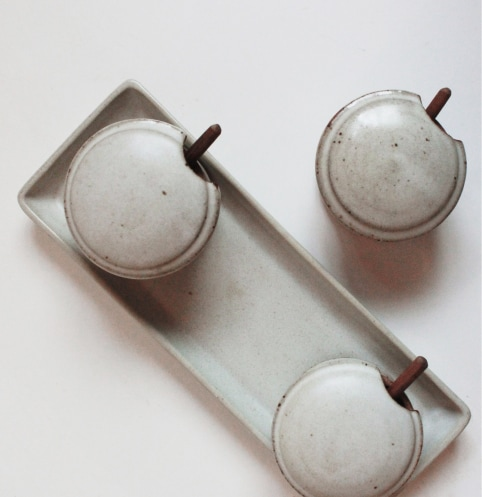
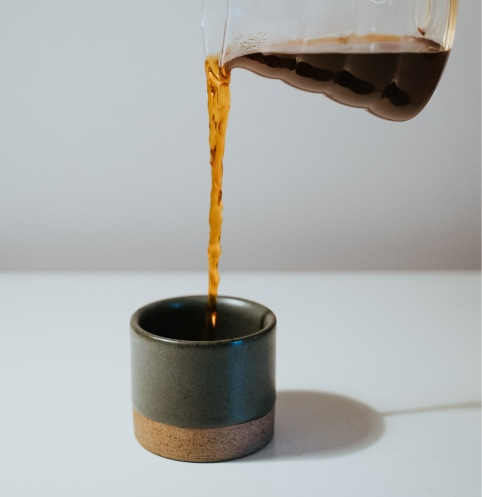
A ceramic studio is a creative space where raw earth is transformed into functional and expressive works of art. Filled with the quiet rhythm of spinning wheels, the warmth of kilns, and shelves lined with drying clay, the studio encourages both focus and experimentation. It is a place where artists shape, carve, and glaze forms by hand, learning patience through each stage of the process—from wedging clay to firing finished pieces. More than just a workspace, a ceramic studio fosters creativity, craftsmanship, and a deep connection between the maker and the material.

Our product

The Machiene of creativity

A ceramic studio is a creative space where raw earth is transformed into functional and expressive works of art. Filled with the quiet rhythm of spinning wheels, the warmth of kilns, and shelves lined with drying clay, the studio encourages both focus and experimentation. It is a place where artists shape, carve, and glaze forms by hand, learning patience through each stage of the process—from wedging clay to firing finished pieces. More than just a workspace, a ceramic studio fosters creativity, craftsmanship, and a deep connection between the maker and the material.

 
What We Offer
    • Improves physical strength and endurance
      Working in a ceramic studio involves activities such as wedging clay, wheel throwing, hand-building, lifting materials, and glazing, all of which help strengthen hand muscles, arms, shoulders, and the upper body. Repeated practice builds endurance and coordination, allowing the body to perform creative tasks for longer periods without strain or fatigue.

    • Enhances mental health and emotional well-being
      The calm, focused environment of a ceramic studio helps reduce stress, anxiety, and mental fatigue. Working with clay is therapeutic, encouraging mindfulness and self-expression. The creative process allows individuals to relax, clear their minds, and experience a sense of emotional balance and inner peace.

    • Boosts creativity and self-expression
      A ceramic studio provides the freedom to experiment with shapes, textures, and glazes. This creative exploration helps individuals express their thoughts, emotions, and ideas in a tangible form, strengthening imagination and artistic confidence over time.

    • Improves flexibility, mobility, and coordination
      Shaping clay requires precise hand movements, wrist control, and balanced posture. Regular practice improves joint flexibility, fine motor skills, and overall coordination, which helps reduce stiffness and lowers the risk of physical strain or injury.

    • Builds patience, focus, and discipline
      Ceramic work is a step-by-step process that requires careful attention from start to finish. From preparing clay to firing in the kiln, artists learn patience, concentration, and discipline, developing valuable life skills that extend beyond the studio.

    • Encourages social interaction and community building
      Ceramic studios often bring together people from diverse backgrounds who share a passion for art. This environment promotes collaboration, communication, and the exchange of ideas, helping build friendships and a strong creative community.

    • Increases confidence and sense of achievement
      Completing a ceramic piece—from raw clay to a finished object—creates a deep sense of accomplishment

Regular participation in ceramic studio activities plays a significant role in improving both physical and mental well-being, contributing to a balanced and fulfilling lifestyle. Working consistently with clay helps strengthen hand, arm, and shoulder muscles, improves endurance, and enhances overall flexibility and coordination, making fine motor tasks easier and reducing the risk of strain or injury. The creative process supports healthy energy levels by encouraging movement, focus, and active engagement, while also promoting relaxation and stress relief. Ceramic practice is highly beneficial for mental health, as it reduces stress, anxiety, and mental fatigue through mindfulness and creative expression, fostering a calm and positive mindset. Spending time in a ceramic studio improves concentration, patience, and problem-solving skills while providing a sense of accomplishment as projects progress from raw clay to finished pieces. Additionally, the structured yet expressive nature of ceramic work builds self-discipline, confidence, and emotional balance, making studio practice an essential activity for long-term wellness, creativity, and personal growth.

In today’s fast-paced modern lifestyle, fitness has become more important than ever, as many people spend long hours sitting at desks, using computers, and engaging in minimal physical activity, which can lead to poor posture, weight gain, fatigue, and various health problems. Regular gym workouts provide an effective solution to counter this sedentary routine by offering a structured and motivating environment where individuals can focus on their physical well-being. A well-equipped gym gives access to a wide range of fitness tools such as treadmills for cardiovascular endurance, dumbbells and weight machines for building muscle strength, resistance bands for controlled training, and benches for targeted exercises, allowing a balanced full-body workout. These tools help improve muscular strength, increase stamina, enhance flexibility, and support better body coordination over time. Beyond physical benefits, gym workouts play a powerful role in improving mental and emotional health by releasing endorphins, which naturally reduce stress, anxiety, and depression while promoting relaxation and positivity. Regular exercise boosts mood, builds self-confidence, sharpens focus, and increases productivity by improving energy levels and mental clarity. Consistency and discipline in maintaining a workout routine are essential for achieving fitness goals and sustaining long-term health, as gradual progress leads to lasting results. Additionally, regular physical exercise strengthens the heart and lungs, improves blood circulation, and lowers the risk of chronic conditions such as diabetes, high blood pressure, and obesity, ultimately enhancing overall quality of life and promoting a healthier, more active future.

"Discuss the mental and emotional benefits of working out, including reduced stress, anxiety, and depression due to the release of endorphins. Mention how exercise improves mood, boosts self-confidence, and supports better focus and productivity. Highlight the importance of consistency and discipline in achieving fitness goals and maintaining long-term health. Explain how regular workouts improve heart and lung function, enhance blood circulation, and reduce the risk of chronic diseases like diabetes, high blood pressure, and obesity. Include a section on how gym workouts contribute to better posture, stronger core muscles, and improved balance and coordination. Emphasize the importance of a balanced workout plan that includes cardio, strength training, and flexibility exercises. Conclude by motivating readers to start their fitness journey, set realistic goals, and stay committed to a healthier lifestyle.”

Things You Will Learn

Things About CEREMIC

Proper Clay Handling Techniques You will learn how to work with clay correctly to avoid damage to your pieces and ensure smooth, professional results. How to Use Ceramic Tools and Equipment You will understand how to use pottery wheels, sculpting tools, kilns, and glazing equipment safely and effectively. Design and Project Planning You will learn how to plan your ceramic projects, from choosing the right clay to designing shapes, patterns, and textures. Correct Posture and Hand Movements You will learn the importance of posture and hand positioning during wheel-throwing and sculpting to prevent strain and improve precision. Wheel-Throwing and Hand-Building Principles You will understand different techniques like coiling, slab-building, and wheel-throwing to create various ceramic forms. Glazing and Firing Techniques You will learn how to apply glazes, understand firing temperatures, and achieve the desired color, texture, and durability. Importance of Cleaning and Maintenance You will learn why keeping your workspace, tools, and equipment clean is essential for safety and better results. Material Knowledge and Clay Types You will gain knowledge about different clays, their properties, and which are best suited for specific projects. Progress Tracking and Skill Improvement You will learn how to assess your growth in technique, creativity, and craftsmanship over time. Consistency and Patience You will learn how to stay committed, practice regularly, and develop patience, which is essential in ceramics. Preventing Cracks and Breakages You will learn techniques to avoid common issues like cracking, warping, or breaking during drying and firing. Creativity and Artistic Mindset You will learn how to set personal goals, experiment with new ideas, and cultivate a creative mindset in your ceramic practice.

Glaze Techniques of ceremic

1. Dipping Technique Submerge your ceramic piece in glaze for even coverage. Prevents uneven coating and ensures a smooth finish. Example: dip a small cup into blue glaze for uniform color. 2. Brushing Technique Apply glaze with a brush for detailed or layered designs. Allows precision and artistic control. Example: painting floral patterns on a plate. 3. Spraying Technique Use a spray gun to coat pieces evenly. Saves time and creates subtle gradients. Example: spraying a vase with a fade effect. 4. Pouring Technique Pour glaze over the piece to cover irregular shapes. Builds interesting textures and patterns. Example: pouring two colors over a bowl for marbled effect. 5. Wax Resist Technique Apply wax to areas you want to remain unglazed. Creates patterns or preserves textures. Example: drawing leaf shapes on a plate before glazing. 6. Layering Technique Apply multiple glazes in layers for depth and effects. Produces unique color blends. Example: layering yellow over blue to create green hues. 7. Sponging or Stippling Use a sponge or brush to dab glaze. Adds texture and visual interest. Example: sponging dark glaze onto light background. 8. Sgraffito Technique Scratch through a layer of glaze to reveal the clay underneath. Good for intricate designs and patterns. Example: carving floral patterns into a colored glaze layer. 9. Controlled Dripping Let glaze drip naturally for artistic effects. Creates organic, flowing designs. Example: allowing glaze to drip down a tall vase. 10. Wax and Resist Masking Combine masking techniques to protect areas and create complex designs. Helps in detailed and multi-colored work. Example: masking sections of a mug to glaze different zones differently.

Materials of Ceremic

1. Clay Types Earthenware Stoneware Porcelain Paper clay Polymer clay 2. Sculpting and Shaping Tools Wooden modeling tools Metal scrapers Loop tools Ribs and kidney tools Wire clay cutters 3. Kilns and Firing Equipment Electric kiln Gas kiln Raku kiln Kiln shelves and posts Pyrometric cones 4. Glazing and Decorating Materials Glazes (matte, glossy, transparent) Underglazes Engobes/slips Stains and oxides Brushes and sponges 5. Work Surfaces and Supports Potter’s wheel Slab rollers Bat boards Worktables Clay boards 6. Safety and Studio Materials Aprons and gloves Dust masks Goggles Ventilation systems Cleaning sponges and buckets 7. Functional Accessories Rolling pins Molds and templates Stamps and texture mats Trimming tools Spray bottles for water 8. Recovery and Finishing Tools Sanding sponges Rib tools for smoothing Burnishing stones Polishing cloths Spray sealants